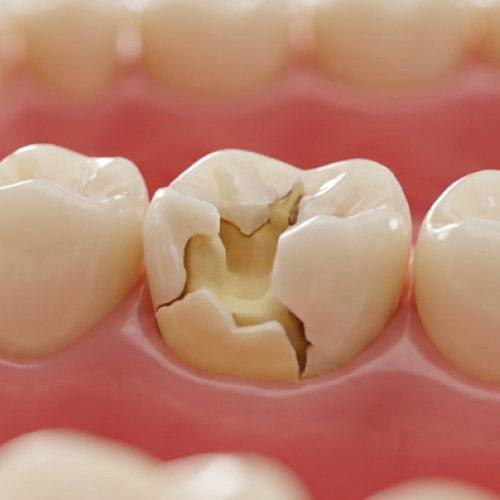
What Counts as a Dental Emergency for Broken Teeth and Lost Fillings?
Wondering if a chipped tooth or lost filling is a dental emergency? Learn what requires urgent care and call our Long Beach team right away for fast relief.
Read More
Invisalign quotes can look similar on paper while covering very different scopes of treatment. Understanding the tier behind your quote, what your insurance actually covers for adults, and which post-treatment steps are bundled versus handled separately will determine whether you're getting a complete plan or unexpected surprises down the road.
A quote without a tier name attached to it is almost meaningless. For Long Beach-area patients, Align Technology — the company that makes Invisalign — offers several distinct product tiers, and the lab specifications vary significantly between them. Patients rarely see this distinction spelled out.
Here's what those tiers generally mean in practice:
According to GoodRx, Invisalign Express — the shortest, most limited tier — is suited for cases requiring only a few months of treatment with fewer aligner trays, while full Comprehensive treatment is designed for complex cases using as many trays as needed.
How to check your paperwork: Ask your provider to confirm in writing which Align Technology lab tier your treatment plan uses. The clinical paperwork and ClinCheck digital plan will reference the product name. If you receive a vague answer, push for specifics before signing an agreement. A lower-tier product when comprehensive care is needed is a common source of patient dissatisfaction.
The bottom line: a quote is only meaningful when you know the tier, the tray count limit (if any), and whether refinements are included.
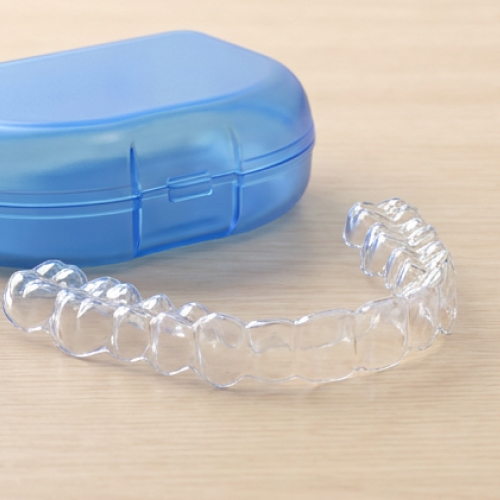
Even a Comprehensive-tier quote can leave out essential finishing steps. Aligners move teeth. Keeping them straight requires retention hardware — and that is frequently billed as a separate line item.
Before committing, ask your provider to confirm in writing whether the following are included:
Healthline's overview of Invisalign confirms that after treatment is complete, patients continue wearing a retainer to ensure teeth stay in their corrected position — making retention not optional, but essential. Treating it as an afterthought in your planning is a mistake.
The short answer: sometimes, but far less reliably than generic guides suggest.
Most employer-sponsored PPO dental plans include an "Orthodontic Lifetime Maximum" (OLM) clause. The critical detail buried in that clause is an age restriction. The majority of standard plans limit orthodontic benefits to dependent children under age 19. Adult coverage, when it exists at all, typically lives in upgraded or separately purchased orthodontic riders.
A checklist for reading your OLM clause:
WebMD's dental insurance overview notes that most Americans have some form of dental benefits, but the fine print varies significantly between plan types — making it essential to understand exactly what your plan covers rather than assuming standard benefits apply.
Understanding whether Invisalign is the right tool matters just as much as understanding what is included in your plan. Healthline's review of Invisalign effectiveness notes that crooked teeth are harder to keep clean, raising the risk of decay and gum disease — meaning orthodontic treatment often carries genuine oral health value, not just cosmetic benefit.
Invisalign works well for crowding, spacing, and mild-to-moderate bite issues. More complex cases — significant overbites, underbites, or severe misalignment — may require traditional braces or a combination approach. Wearing aligners for the required 20 to 22 hours per day is non-negotiable; compliance directly determines outcomes.
Age also plays a role. Younger patients with still-developing jaws tend to respond more quickly. Adults can achieve excellent results, but treatment timelines may be longer depending on case complexity. Maintaining regular cleaning and exam appointments throughout treatment helps ensure your teeth and gums stay healthy as your smile is reshaped.
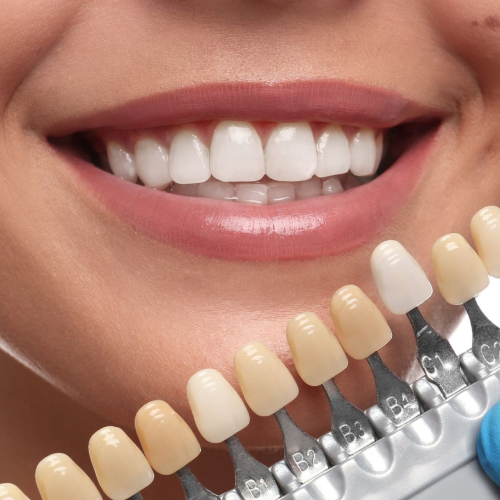
If you're in the Long Beach area and want to know exactly what tier your treatment would fall under, what's included in your quote, and how your insurance applies, Long Beach Family Dentist is here to walk through the details with you. We serve patients throughout the Long Beach metro area and believe every patient deserves a transparent, line-by-line explanation of their treatment plan before committing to anything. We also offer aesthetic dentistry services to complement your orthodontic results and help you achieve the complete smile you're looking for.
Medical disclaimer: This article is intended for informational purposes only and does not constitute professional dental or medical advice. Consult a licensed dental provider for personalized treatment recommendations.
Fresh news from the dental world

Mon 8AM - 5PM
Tue 8AM - 5PM
Wed-Thu 8AM - 5PM
Fri 8AM - 5PM
Sat 9AM - 3PM
Sun Closed
Check out what our patients are saying in Long Beach, CA...


“Answers any questions...”
I been a patient here for over twelve years. Andrea greeted me and got my folder set up. Toni is very friendly and answers any questions you have promptly, when I always come in she greets you with a smile and makes your appointment enjoyable. Today Jovani and Dr. Joan made this experience great. I recommend this dentist for new patients.

“Clean and friendly...”
Very clean and friendly crew. I really enjoyed myself.

“My favorite dentist...”
The service here is amazing and they make you feel comfortable. I'm one of those people that hates to go to the dentist and the dentists that I went to in the past were not that great with service. Overall I found my favorite dentist service now at Long Beach Family Dentist.

“A positive experience...”
Very clean and organized office! Entire staff was pleasant and friendly, and seems interested in ensuring I had a positive experience. Will definitely return! Affordable rates.
“Answers any questions...”
I been a patient here for over twelve years. Andrea greeted me and got my folder set up. Toni is very friendly and answers any questions you have promptly, when I always come in she greets you with a smile and makes your appointment enjoyable. Today Jovani and Dr. Joan made this experience great. I recommend this dentist for new patients.
“Clean and friendly...”
Very clean and friendly crew. I really enjoyed myself.
Check out our accreditations, sources, and relationships in the wide world of dentistry...



Check us out and follow our Long Beach, CA practice on social media...