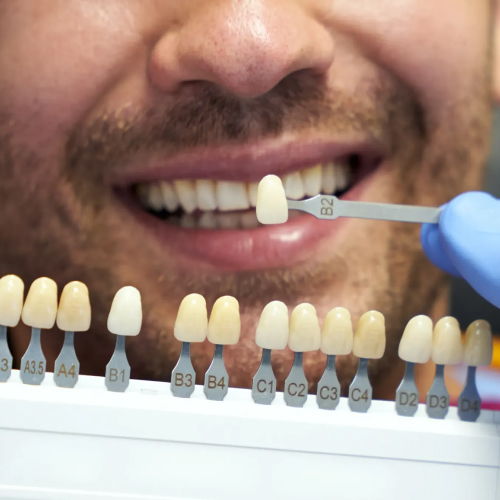
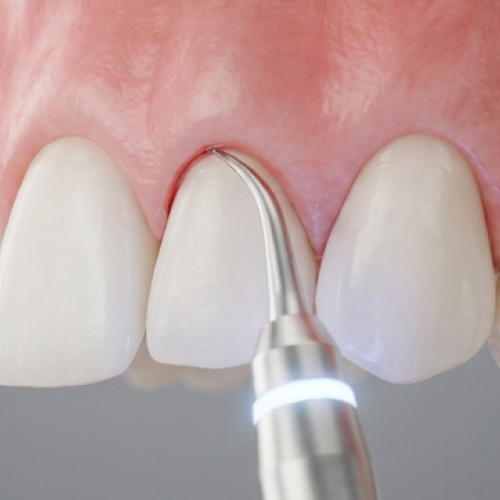
Do Veneers Fix Gaps and Crooked Teeth? What Long Beach Patients Need to Know
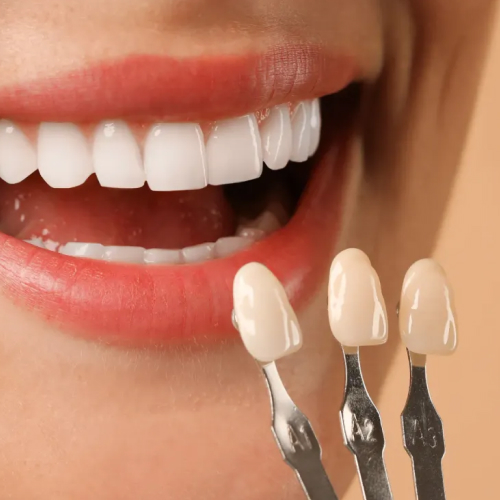
Wondering if veneers can fix gaps or crooked teeth? Learn how this cosmetic treatment transforms smiles. Schedule your consultation with our Long Beach team!
Read More
Keeping your child’s smile for a lifetime requires the right things to focus on when it comes to their dental hygiene, both at home and in their daily lives. The best dental habits start young. Children should come see our dentists for their first dental appointment within six months of their first tooth coming or their first birthday—whichever comes first. By beginning as soon as possible, a pediatric dentist can ensure their teeth are healthy and developing well. It also makes them much more comfortable coming in for a visit than for children aged 4 or 5. Similarly, your child should learn how to look after their teeth by themselves as soon as possible. According to the CDC, 1 in 5 children between the ages of 5 to 11 already have at least one untreated cavity. By teaching your child what they can do for their smile, you can instill a lifelong appreciation for routine dental hygiene and prevent future toothache problems. 1. Brush Twice, Floss Once A Day The first and most important thing you can teach your child to keep their smiles bright and healthy is to brush twice and floss once daily. Their first baby tooth comes in at around six months. From there, you should begin using a baby toothbrush to gently clean away any plaque and bacteria. You should also make sure to wipe your infant's gums with a soft after feeding to prevent dental decay from settling in their teeth. While you should take control of your young child’s oral health, you should start encouraging them to start brushing on their own after they turn two. This allows you to teach them how to take care of their teeth responsibly. However, don’t let them brush unsupervised until they are about 7 or 8 years old. By monitoring their brushing and flossing, you can ensure they give each tooth proper care and attention. Make sure to teach them the right technique. Letting your child take the reins with their oral hygiene is essential, but it won’t do much good if they’re not doing it correctly. They should be brushing up and down and back and forth, or in circles, to cover their tooth's entire surface. To give each tooth the attention it needs, have your kid brush for two minutes straight. Don’t be afraid to leave a timer in the bathroom to make it easy for them to be thorough. Flossing should start when teeth finally touch, which usually happens around age 2 for most kids. Many children will still need help with this until they're about 8 years old. Don't be afraid to take a lot of floss—at least 18 inches. You don't want to use the same section of floss more than once to keep any bacteria on the dirty floss from getting stuck between your teeth.
2. Use Child-Friendly Fluoride Toothpaste Around the same time your child begins brushing their teeth, you should switch them over to a fluoridated baby toothpaste. Fluoride helps fight off tooth decay and gingivitis by reinforcing and naturally strengthening tooth enamel. However, you don’t want to use more than a pea-sized smear of toothpaste on your child’s toothbrush. You also want to make sure your child doesn’t swallow their toothpaste. Too much fluoride too early can lead to fluorosis, which is noticeable for its faint white or brown spots and streaks on baby teeth enamel. Fluorosis is only cosmetic, creating no health or development problems for their Once your child turns 6 or 7, you can also encourage your child to start using kid-friendly fluoridated mouthwashes. This will help boost the benefits this mineral has on their smile. They are also great for children with braces as they can loosen and remove food that may have gotten stuck on their brackets. However, keep them under strict supervision with these mouth rinses until they’re 12 years old. Just as you wouldn’t want to swallow Listerine, you want to make sure your child doesn’t ingest any of their mouthwash. 3. Chew Sugar-Free Gum Many parents are shocked to learn this, but sugar-free gum can help your child fight off tooth decay. Chewing gum helps their mouths produce saliva, the body’s natural protector against plaque and bacteria. However, make sure to stay away from gum with sugar as it will only make it easier for plaque to form. 4. Eat a Healthy Diet Eating a balanced diet isn’t just good for a child’s growth and development. It can also keep their smile brighter and healthier. Be sure to avoid sugary and starchy foods where you can, especially foods considered to have “sticky sugar” like caramel, gum, and dried fruits. Sugars and starches are very good at producing plaque and bacteria on your teeth, leading to more cavities and decay than usual. While kids may love juices and sodas, they’re not great for their developing teeth. Drinks that are carbonated, sugary, and acidic can be even worse for your smile than sweet and starchy foods. Instead, have your children drink water whenever possible. Water rinses away food particles and helps your child’s mouth make saliva. How often a child eats can also affect their oral health. In what ways do eating habits affect children's teeth? Frequent snacking can sometimes be worse than the foods that you eat. By constantly eating small amounts of food, saliva doesn’t have enough time to break down and remove plaque and bacteria from tooth enamel as it should. Instead, a film stays on your teeth throughout the day, allowing buildup to quicken tooth decay to develop. 5. Visit The Dentist Regularly Starting with your first appointment, everyone should see their dentist and hygienist for a routine dental cleaning and exam at least every six months. Cleanings are a crucial part of preventive care, removing any plaque and bacteria buildup your child might not have cleared on their own. When parents ask us, “How do I prepare my child for the dentist?” we always encourage them to be truthful about what their visit will be like. However, this doesn’t mean you should use harsh or frightening language, like “needles,” “shot,” or “pain.” Keep things simple without going into too much detail. While this may feel like a big deal for you, we don’t want your child to think so. You may also be tempted to tell your child about your own experiences, especially if they need a cavity treatment like a filling or crown. We encourage parents not to do this. It can be all too easy to say the wrong word or paint a picture that makes them nervous about their visit. Some parents have their own not-so-great past experiences, and their children can pick up on subtle cues on their discomfort.
6. Make Dental Health Fun Most parents know that you can tell a child your experienced advice, but getting them to follow it can be difficult. So how do you teach children about oral health if you're not sure they'll listen? The answer is simple: make practicing healthy habits fun. When your child is brushing their teeth, why not do it as a family? This way, you can watch their technique and maybe even make a game of it. Another thing you can do is let them feel like they're taking charge of their dental care. Have your child choose their toothbrush and toothpaste. Many child toothbrushes and toothpastes have characters and fun flavors. If your child wants to have Elsa or Spider-Man help them fight the big, bad cavities and decay trying to hurt their smiles, let them! Don’t be afraid to use exciting, but not scary, language to have them rushing to the sink after breakfast or at bedtime. The same is true for dentist visits. Everyone should see their dentist for checkups, but it should never be a scary experience. If they’re coming in for their first checkup, you can play “dentist,” where you become the dentist to their patient. Put on your best makeshift lab coat, use a mirror to look at and count their teeth, and make them feel like their appointment is no big deal. Does My Child Need A Pediatric Dentist? It's always highly recommended that your child see a pediatric dentist at least until their preteen or teen years. However, they can still have a children's dentist until they become a legal adult. Pediatric dentistry specializes in taking care of all children's smiles, from age 1 to 18. We understand the unique developments that occur during childhood and puberty. Cavities develop quicker on softer primary teeth. Baby teeth fall out. Adult teeth come in, but they might not erupt how we want them. Orthodontic issues like crookedness and crowding show their faces. Wisdom teeth become impacted and can cause further painful problems for surrounding gums and bone. A kids dentist has unmatched knowledge and experience in ensuring everything goes smoothly, even when bumps in the road appear.
Fresh news from the dental world


Mon 8AM - 5PM
Tue 8AM - 5PM
Wed-Thu 8AM - 5PM
Fri 8AM - 5PM
Sat 9AM - 3PM
Sun Closed
Check out what our patients are saying in Long Beach, CA...


“My favorite dentist...”
The service here is amazing and they make you feel comfortable. I'm one of those people that hates to go to the dentist and the dentists that I went to in the past were not that great with service. Overall I found my favorite dentist service now at Long Beach Family Dentist.

“Clean and friendly...”
Very clean and friendly crew. I really enjoyed myself.

“A positive experience...”
Very clean and organized office! Entire staff was pleasant and friendly, and seems interested in ensuring I had a positive experience. Will definitely return! Affordable rates.

“Answers any questions...”
I been a patient here for over twelve years. Andrea greeted me and got my folder set up. Toni is very friendly and answers any questions you have promptly, when I always come in she greets you with a smile and makes your appointment enjoyable. Today Jovani and Dr. Joan made this experience great. I recommend this dentist for new patients.
“My favorite dentist...”
The service here is amazing and they make you feel comfortable. I'm one of those people that hates to go to the dentist and the dentists that I went to in the past were not that great with service. Overall I found my favorite dentist service now at Long Beach Family Dentist.
“Clean and friendly...”
Very clean and friendly crew. I really enjoyed myself.
Check out our accreditations, sources, and relationships in the wide world of dentistry...










Check us out and follow our Long Beach, CA practice on social media...